
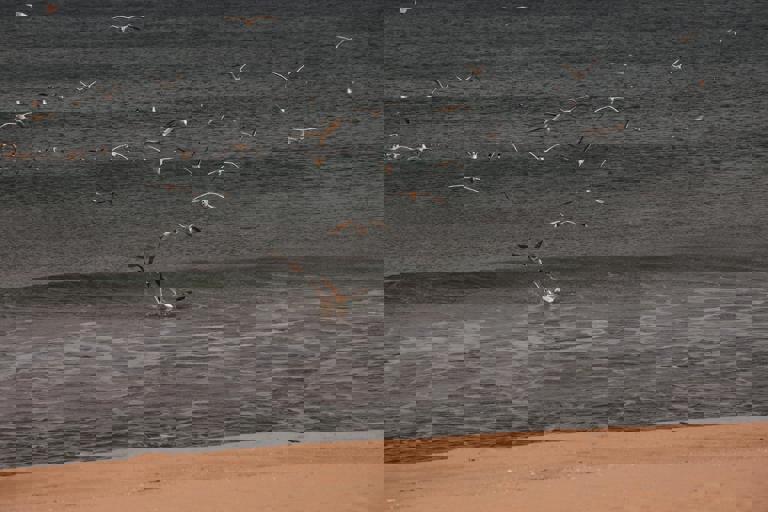
The city council has announced the implementation of new dog-free zones along selected coastal areas, aiming to protect endangered shorebird populations during their critical breeding seasons. These initiatives follow recent ecological studies that highlight a steep decline in native bird numbers, largely attributable to increasing disturbances from domestic pets and human activity. The council says such measures are essential to balance public recreation with conservation responsibilities imposed by both national and international wildlife agreements.
Under the new regulations, dogs will be prohibited from entering identified shorebird habitats from September to March, coinciding with the peak nesting and breeding period for species such as the Pied Oystercatcher and Little Tern. Signage and fencing have already been erected in designated areas, and rangers are being deployed to enforce the bans. Fines may be imposed on those in violation, though council representatives emphasize that education and community cooperation are the primary goals.
Ecologists applaud these restrictions as necessary steps to counteract the loss of breeding sites, citing research indicating that even brief disturbances can cause birds to abandon nests or expose chicks to predators and the elements. Dr. Rachel Porter, a local ornithologist, explains, “Shorebirds are exceptionally sensitive during nesting. A single disrupted incubation session can risk an entire clutch.” She underscores the importance of these zones for regional biodiversity.
However, the ban has not been universally welcomed. Many dog owners and local advocacy groups have expressed frustration, arguing that responsible pet management can coexist with wildlife protection. "We value our beaches and walking spaces, and feel unfairly targeted," says Fiona Mackenzie, a spokesperson for Paws on the Beach, a community pet-owners’ association. “Public consultation was limited, and alternatives haven’t been fully explored.”
In response to criticism, the council has outlined plans for dedicated off-leash dog parks and alternative beach access points outside sensitive habitat zones. Deputy Mayor Lisa Hooper states, “We’re working to ensure that both wildlife and residents benefit. By providing well-marked, alternative recreational areas for pets, we hope to minimize inconvenience while upholding our environmental duties.” Maps detailing allowed zones will be distributed in community centers and online.
Education campaigns are also being launched to help the public understand the rationale behind these seasonal restrictions. Workshops, nature walks, and information stalls will be rolled out in partnership with local schools and conservation groups. The council is calling on residents to become ‘Wildlife Guardians’ by reporting disturbances and assisting in ongoing bird monitoring efforts, thus fostering a sense of shared stewardship over local coastal environments.
Tourism operators have weighed in, with some expressing concern that restrictions could deter visitors who enjoy pet-friendly outings. However, others note that ecotourism is an expanding market sector in Australia, and that successful conservation projects often enhance a region’s appeal. “People increasingly value destinations where natural heritage is protected,” remarks Karen Ellis, a director at NatureCoast Tours. “This could be a positive opportunity for community and business alignment.”
Looking forward, the council has pledged to review the policy’s effectiveness after the first nesting season, considering data on bird populations, community feedback, and compliance rates. Stakeholders are encouraged to participate in this ongoing dialogue. The broader aim, officials assert, is not simply to regulate pet ownership but to cultivate a culture of respect and coexistence between people and vulnerable wildlife along Australia’s treasured coasts.