
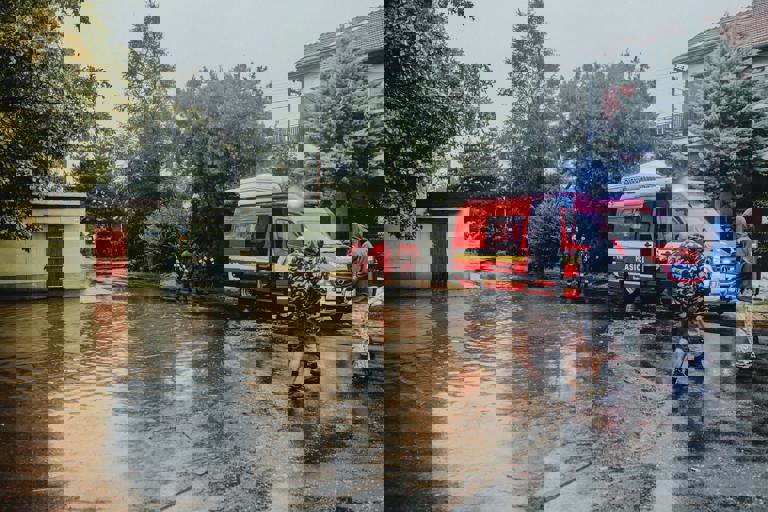
A sudden, torrential downpour caught much of the city off guard this week, leading to dramatic scenes as dozens of commuters became trapped in a major tunnel as floodwaters surged. The storm, described by meteorologists as one of the most intense of the year, unleashed more than 80 millimetres of rain within an hour—overpowering drainage systems and causing severe disruptions in the city’s transport infrastructure.
Emergency services received the first calls just after 6pm, as panicked drivers reported water rising rapidly inside the tunnel. First responders from the fire brigade, police, and paramedic teams were swiftly deployed, many navigating dangerous conditions to reach stranded vehicles. The flooding forced authorities to close the tunnel entirely, with traffic backing up for kilometres above ground as rescue operations intensified.
Eyewitness accounts from inside the tunnel painted a harrowing picture. “Water started pouring in through the walls and within minutes it was up to the doors,” said commuter Alex Reynolds, who praised the professionalism and speed of the rescuers. “We could hear sirens, but the pitch-black darkness and rising water made it terrifying.” Many drivers abandoned their vehicles to reach higher ground with the assistance of emergency crews.
The weather event was classified as a one-in-20-year storm by the Bureau of Meteorology, highlighting both the unpredictability and ferocity of Australia’s changing climate. Flash flooding warnings had been issued earlier in the day, but the sheer volume of rain exceeded forecasted levels. Local authorities noted that the deluge arrived faster than anticipated, reducing the window for preventative measures.
Rescue operations continued late into the night, with firefighters employing inflatable boats and high-water vehicles to evacuate those stranded. In total, more than 40 people were safely escorted out of the tunnel, many suffering from mild hypothermia and shock but no serious injuries reported. Ambulance services set up triage areas at either end of the tunnel to treat those affected before they were allowed to return home.
The incident raised immediate questions about the city’s existing stormwater management and whether infrastructure upgrades are keeping pace with extreme weather events. “Our tunnels and drains are designed for significant rain, but it’s clear these types of storms are outpacing old models,” said City Council member Diane Wilson, who called for an urgent review of engineering standards. Experts warned that similar events could become more frequent as climate patterns shift.
Commuters faced widespread disruptions well into the following morning. Traffic was diverted across the city, while engineers worked to pump out remaining water and assess structural damage inside the tunnel. Public transport authorities struggled to provide alternative routes, with hundreds of bus and train journeys delayed or cancelled. Businesses in surrounding areas reported reduced customer numbers as travel became challenging.
Attention has also turned to the tunnel’s early warning and emergency protocols. Several commuters reported not receiving timely alerts or clear instructions during the flooding, contributing to confusion and delay. Local officials acknowledged gaps in the communication system and vowed improvements. “Our focus now is on learning from this event and ensuring the safety of residents in future emergencies,” stated Emergency Services spokesperson Mark Hayes.
As cleanup crews remove debris and city engineers evaluate long-term solutions, the community is left reflecting on the vulnerability of critical infrastructure in extreme weather. Residents have begun calling for greater investment in flood mitigation and climate adaptation. For the dozens rescued, gratitude toward first responders is matched by a hope that this incident will spur lasting change to protect the city from future disasters.