
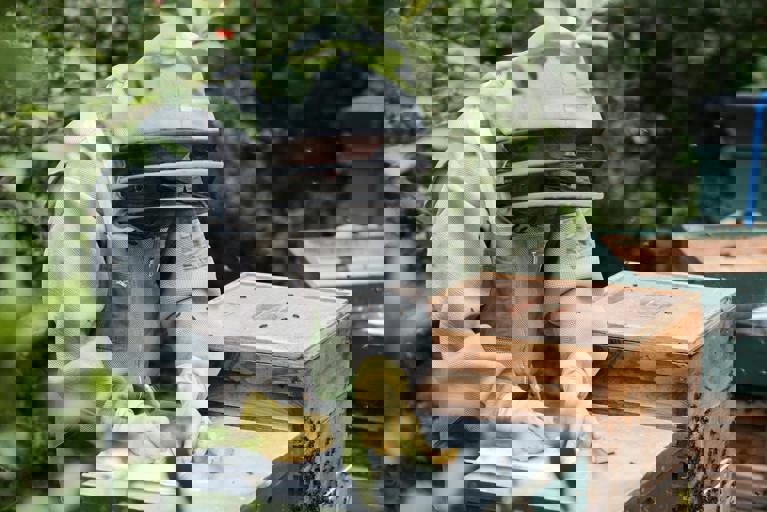
Australia’s urban landscapes are abuzz with excitement as the annual Urban Beekeeping Expo returns, drawing apiculturists, innovators, and curious newcomers to an inspiring showcase of city-based honey production. The convention, held in a modern venue packed with sunlight and the hum of conversation, highlights the latest trends and technologies in beekeeping for both enthusiasts and professionals. With a focus on sustainability, the expo positions urban apiculture as a key player in food security and biodiversity preservation within metropolitan environments.
Attendees were greeted by a vibrant array of exhibitors, from boutique honey producers to leading apicultural technology firms. Stalls demonstrated cutting-edge hive monitoring devices, environmentally friendly extraction equipment, and compact hive designs suited for balconies and rooftops—a nod to the growing interest in beekeeping among city dwellers. “Urban beekeeping is not just a trend but a movement towards responsable, community-based agriculture,” explained event organiser Harriet Yuen during the opening remarks.
Workshops throughout the day drew large crowds eager to deepen their understanding of how honeybees positively impact urban ecosystems. Speakers covered topics such as pollinator-friendly planting, disease management, and regulatory changes affecting city-based apiarists. According to Dr. Malcolm Ferris, a leading bee scientist, “The integration of bees into city environments is crucial for pollination, especially as green spaces and community gardens proliferate.”
A central theme of the expo was technological innovation, with several startups showcasing sensor-equipped hives that provide real-time hive health data via smartphone apps. Participants saw live demonstrations of climate adaptive beehive roofs—capable of maintaining optimal internal temperatures despite fluctuating urban weather. Such advancements aim to make beekeeping more accessible and manageable for beginners, lowering the barrier for urbanites concerned about the practicalities of maintaining healthy colonies.
Complementing the technical displays were immersive honey tasting sessions, allowing attendees to sample varietals reflecting the wide botanical palette found in different neighbourhoods. From robust eucalypt blends to subtle rooftop floral honeys, the tastings offered a sensory experience underscoring the uniqueness of urban terroir. As local beekeeper Fiona Lewis noted, “Every hive tells a story of its surroundings, and each drop of honey is a snapshot of city flora at a specific moment in time.”
Children and families found plenty to engage with at dedicated educational zones. Interactive apiary models and bee-themed games offered younger visitors hands-on learning opportunities, fostering early appreciation for pollinators’ environmental roles. The presence of plant educators and nature advocates underscored the expo’s commitment to nurturing a new generation of environmentally conscious citizens eager to support sustainable practices in their communities.
Environmental stewardship also took centre stage during panel discussions, where experts addressed the challenges facing bees in urban environments. Topics ranged from the impact of pesticide use to the value of biodiversity corridors in cities. “By supporting urban beekeeping, we also advocate for greener, healthier cities,” remarked panelist Dr. Ava Morrison. Her comments were echoed by many, who agreed that bees serve as crucial indicators of urban ecosystem health.
An important aspect highlighted was regulatory evolution, as recent amendments to city council policies have made urban beekeeping more accessible than ever before. Representatives from local government outlined streamlined licensing procedures and biosecurity measures, encouraging responsible expansion of city apiaries. “We’ve listened to feedback, and our updated guidelines reflect a collaborative approach to ensure both public safety and thriving bee populations,” stated regulatory official Mark Caldwell.
Networking opportunities abounded at the expo, bringing together experienced apiarists, scientists, urban planners, and entrepreneurs. Many attendees emphasized the value of sharing knowledge and best practices in forums such as these. “Learning from each other is essential as we confront challenges like climate change and habitat loss,” said longtime beekeeper Jerome Tan, who hopes to see more city residents adopting sustainable apiculture.
As the expo drew to a close, its organisers reflected on the event’s growing influence and broadening appeal. With increasing public interest in local food production, biodiversity, and sustainability, urban beekeeping appears poised for continued growth in Australian cities. The Urban Beekeeping Expo not only showcased innovation but also inspired communities to consider the valuable role of bees within city life—one hive, and one drop of honey, at a time.