
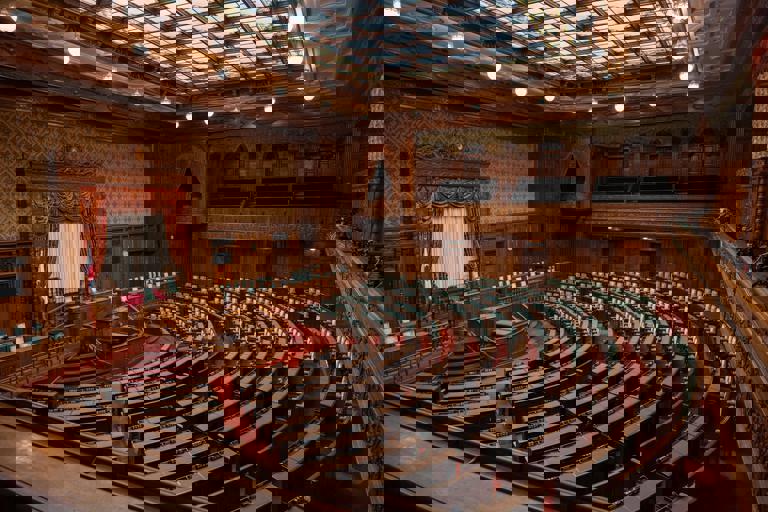
A crucial piece of climate legislation intended to sharply lower emissions has been thrust into uncertainty as a fractious Senate deadlock leaves the bill in legislative limbo. The contentious stalemate comes at a critical juncture, with winter’s chill beginning to spread across Australia. Lawmakers are divided along partisan lines, sparking concerns about the nation’s readiness to balance vital emission reductions with the real-world needs of households and businesses facing rising energy costs.
At the heart of the impasse is a broad divergence over the pace and scope of emissions reductions. The bill, proposed by the government as a cornerstone of its climate agenda, mandates ambitious cuts to carbon output over the next decade. However, opposition senators argue the measures could place undue financial strain on both industry and consumers. "We support climate action, but not at the expense of economic stability," opposition leader Judith Wallace stated during Wednesday’s heated session.
Proponents of the legislation have voiced mounting frustration, citing scientific evidence that swift action is necessary to counteract the impacts of climate change. Senator David Liu, a leading advocate, emphasized, "Every month of delay diminishes our chances of keeping promises made under the Paris Agreement." Environmental groups have similarly criticized the impasse, highlighting research that warns of increasingly severe bushfires and droughts if emissions are not curbed immediately.
The energy sector is watching developments closely, as the bill includes provisions that would accelerate the shift from coal-fired power to renewable sources. Industry analysts warn that protracted uncertainty could deter vital investments in clean energy projects. "Investors crave regulatory clarity," said analyst Rebecca McGregor. "Delays or ambiguities serve only to undermine Australia’s competitiveness in the global clean energy market."
Meanwhile, advocacy organizations representing low-income households have expressed alarm about the impending winter and the unresolved future of energy subsidies. Many provisions tied to the proposed bill would expand aid for vulnerable Australians, helping to offset increased heating costs as more renewable energy comes online. Without certainty about whether these measures will pass, families are left facing potential cost increases with little assurance of additional support.
The deadlock also exposes the difficulties of forging bipartisan consensus on climate in Australia’s deeply polarized political landscape. Previous attempts to pass major emissions bills have similarly floundered in the upper house, leading to a stop-start approach in policymaking. Experts suggest that durable change may remain elusive unless political leaders can find new ways to bridge ideological divides and address concerns from all sides of the aisle.
As tempers simmer on Parliament Hill, public opinion appears increasingly unsettled. Recent polls indicate that a clear majority of Australians desire decisive government action on climate, yet there is also anxiety about higher household bills and the reliability of energy supply during peak winter demand. Civil society organizations have begun ramping up pressure, staging rallies and launching campaigns to keep climate policy firmly on the national agenda.
Looking ahead, the fate of the emissions bill appears uncertain, with government negotiators scrambling to secure enough votes to advance the legislation. Lawmakers are facing mounting time constraints as winter progresses and international observers watch keenly for signs of Australian leadership in climate action. The coming weeks promise high stakes negotiations and, potentially, lasting implications for the nation’s energy future and international standing.